
Your Garage Door Is the Most-Used Moving Part of Your Home
Think about how many times you open and close your garage door each day. If you're like most families in Santa Monica, it's at least four times — maybe more. That adds up to well over a thousand cycles per year, and every single one puts stress on springs, cables, rollers, and hardware.
Despite all that use, garage door maintenance is one of those things most homeowners completely overlook. The door goes up, the door comes down, and nobody gives it a second thought — until the morning it doesn't work and you're stuck in your garage late for work.
So how often should you actually service your garage door? And what does a proper maintenance visit include? Let's break it down.
The Short Answer: At Least Once a Year
At a minimum, your garage door should receive a professional inspection and tune-up once a year. Think of it like an annual checkup for your car — it catches small problems before they turn into expensive repairs or dangerous failures.
If your garage door gets heavier-than-average use — maybe you have multiple drivers in the household, use the garage as a workshop, or operate a business — twice a year is a smarter schedule. The same goes for older doors or systems that have had repairs in the past.
Factors That May Require More Frequent Service
- Coastal proximity: Living near the ocean in Santa Monica means salt air exposure, which accelerates corrosion on metal components like springs, hinges, and tracks. This makes regular lubrication and inspection even more important.
- Age of the system: Garage doors and openers older than 10 years benefit from more frequent checkups as parts begin to wear.
- Daily usage: The more cycles your door completes each day, the faster components wear out.
- Previous repairs: If you've had spring replacements, cable repairs, or opener issues in the past, staying on top of maintenance helps prevent repeat problems.
What Does a Garage Door Tune-Up Actually Include?
A proper maintenance visit isn't just someone glancing at your door and saying it looks fine. Here's what a thorough service appointment should cover:
1. Visual Inspection of All Components
A technician should examine the springs, cables, rollers, hinges, tracks, brackets, and weatherstripping for signs of wear, rust, fraying, or damage. Catching a frayed cable or a cracked roller early can prevent a much bigger failure down the road.
2. Spring Tension and Balance Test
Your garage door should stay in place when you lift it halfway and let go. If it slides up or crashes down, the springs are out of balance. Improperly balanced doors put extra strain on the opener and can become a safety hazard. A technician will test the balance and adjust the spring tension as needed.
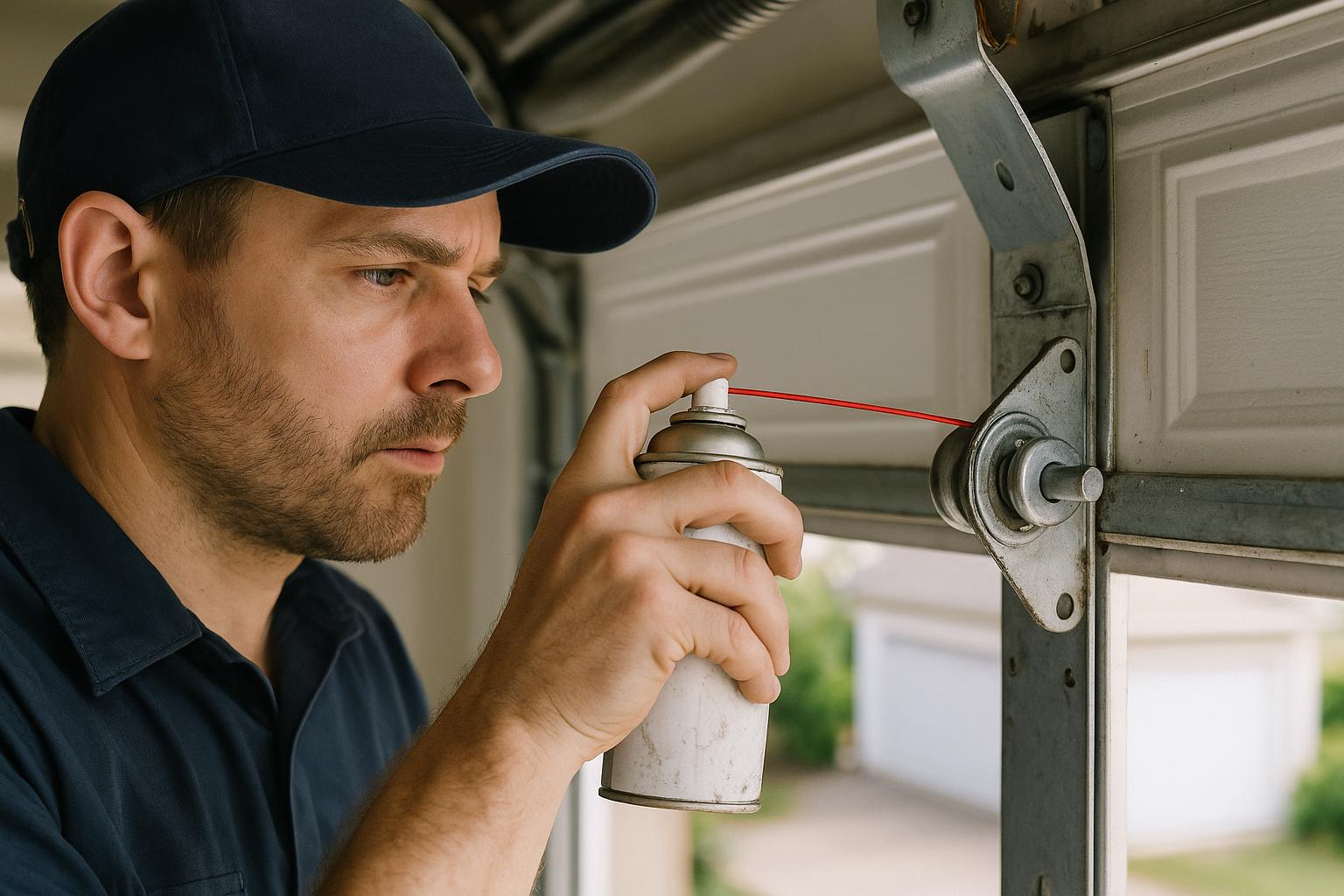
3. Lubrication of Moving Parts
Rollers, hinges, springs, and the opener chain or screw drive all need proper lubrication to operate smoothly and quietly. This is especially critical here on the Westside, where salt air can dry out and corrode metal parts faster than in inland areas.
4. Track Alignment Check
Even slightly misaligned tracks can cause the door to bind, scrape, or operate unevenly. A technician will check that the tracks are properly aligned, level, and securely fastened to the wall.
5. Opener Safety Feature Testing
Modern garage door openers have two critical safety features mandated by federal law: the auto-reverse mechanism and the photoelectric sensors. During maintenance, both should be tested to make sure they're functioning correctly. The auto-reverse should trigger when the door contacts an object, and the sensors should stop the door when the beam is interrupted.
6. Hardware Tightening
The constant vibration of a garage door in motion loosens bolts and brackets over time. A maintenance visit includes tightening all hardware to keep everything secure and reduce noise.
7. Weatherstripping Inspection
The rubber seal along the bottom of your door and the weatherstripping around the frame keeps out dust, moisture, pests, and drafts. Over time it cracks and deteriorates, especially with sun exposure. Replacing worn weatherstripping is a small cost that protects your garage and everything inside it.
What You Can Do Between Professional Visits
You don't need to be a technician to keep an eye on your garage door between annual service appointments. Here are a few simple things you can do yourself:
- Listen for unusual sounds: Grinding, squealing, popping, or scraping noises are early warning signs that something needs attention.
- Watch the door's movement: It should travel smoothly without jerking, hesitating, or shaking. Uneven movement often points to a track, roller, or spring issue.
- Test the balance: Disconnect the opener and manually lift the door halfway. If it doesn't stay put, call a professional to adjust the springs. Do not attempt to adjust springs yourself — they're under extreme tension and can cause serious injury.
- Keep the tracks clean: Wipe down the inside of the tracks with a damp cloth to remove dirt and debris. Avoid using WD-40 or grease on the tracks, as this can attract more grime.
- Check the sensors: Make sure the small lights on your photoelectric sensors are solid and not blinking. Wipe the lenses clean if they're dusty.
The Cost of Skipping Maintenance
Homeowners sometimes skip maintenance because the door seems to be working fine. But here's the reality: most garage door emergencies are preventable. A broken spring that could have been caught during an inspection can cost significantly more in emergency repair fees — not to mention the inconvenience of being locked out of your garage on a busy morning.
Regular maintenance also extends the lifespan of your entire system. A well-maintained garage door and opener can last 15 to 30 years, while a neglected system may need major repairs or full replacement much sooner.
There's also the safety factor. A garage door is the heaviest moving object in most homes, often weighing between 150 and 400 pounds. Worn springs, frayed cables, and malfunctioning safety features aren't just inconveniences — they're genuine hazards for your family and pets.
When to Schedule Your Next Service
If you can't remember the last time your garage door was professionally serviced, now is a good time. Santa Monica's mild climate means there's no bad season for maintenance, though many homeowners find it convenient to schedule a tune-up in the spring or fall.
At Santa Monica Garage Door, our maintenance visits cover everything listed above and more. We serve homeowners and businesses throughout Santa Monica, Venice, Pacific Palisades, Brentwood, Mar Vista, and Culver City. Whether your door just needs a tune-up or you've noticed something that doesn't seem right, we're happy to take a look and give you an honest assessment.
Don't wait for a breakdown to think about your garage door. A little preventive care goes a long way toward keeping it safe, quiet, and reliable for years to come.